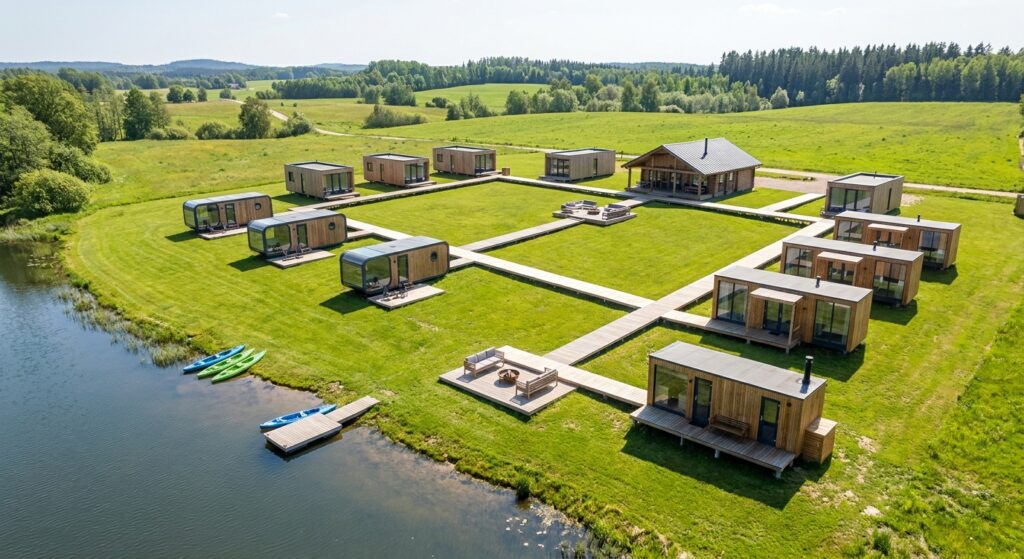
Prefab cabins and capsule houses are becoming a faster and more flexible way to create bookable stays.
In glamping, accommodation is not only a place to sleep. It is part of the destination experience. The room itself can influence how guests discover a place, how they imagine the stay, and whether they want to book, photograph, and share it. This is one reason why more hospitality buyers are paying attention to prefab accommodation — not because traditional construction has no value, but because glamping projects often need accommodation that can be planned, delivered, and scaled with more flexibility.
According to Fortune Business Insights, the global glamping market was valued at USD 3.71 billion in 2025 and is projected to reach USD 9.15 billion by 2034. Europe accounted for 37.05% of the global market in 2025. These numbers suggest that glamping is no longer only a niche travel trend. It is becoming a more established hospitality category.
As the market grows, buyers are not only asking, “What should we build?” They are also asking, “How can we create accommodation that fits the guest experience, project timeline, and future expansion plan?”
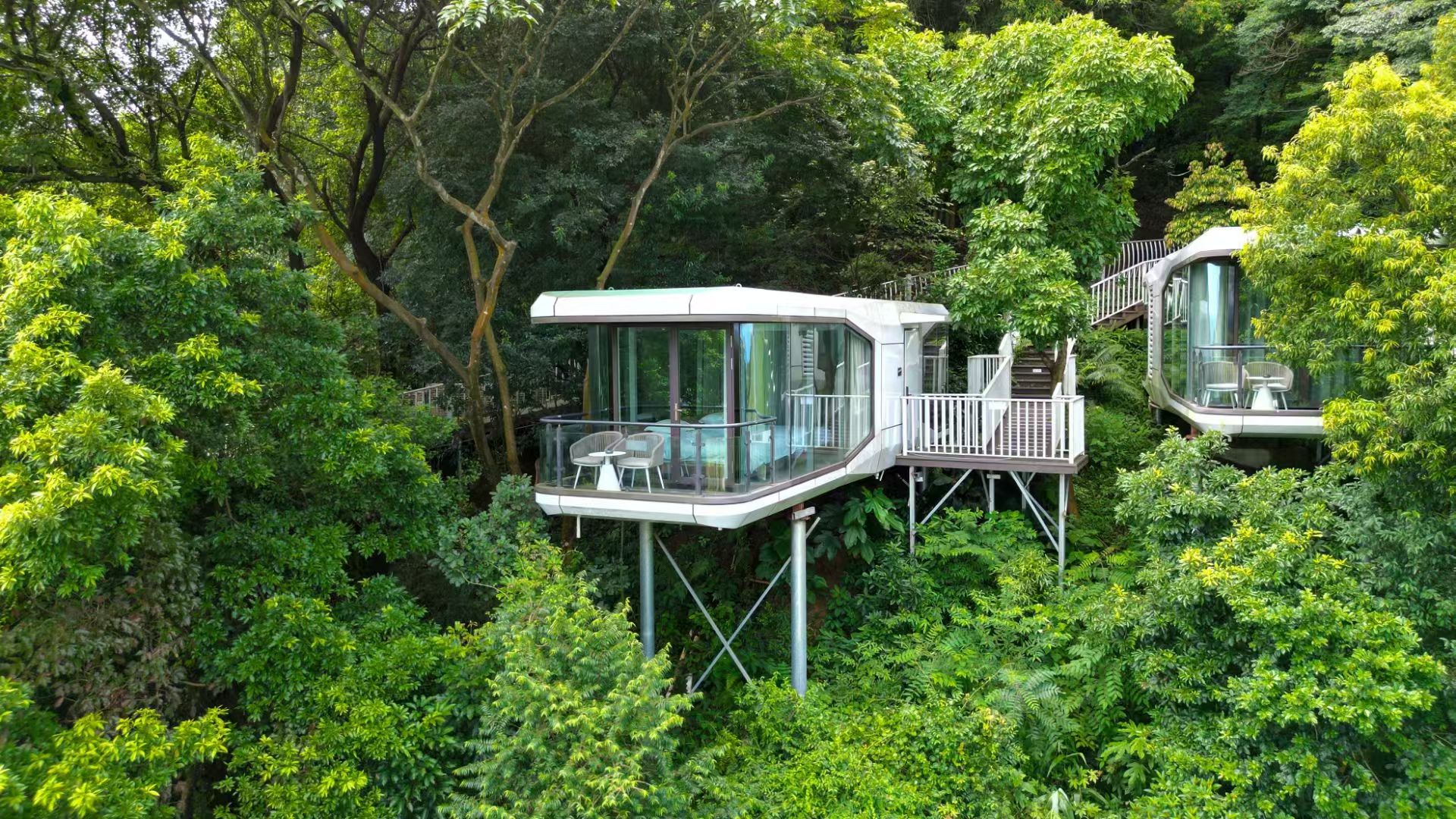
1. What Is Prefab Accommodation?
Prefab accommodation refers to cabins, capsule houses, pods, or modular units where part of the construction and configuration process is completed in a factory before the unit arrives on site. Instead of building everything from scratch at the project location, prefab products move some of the work into a more controlled production environment.
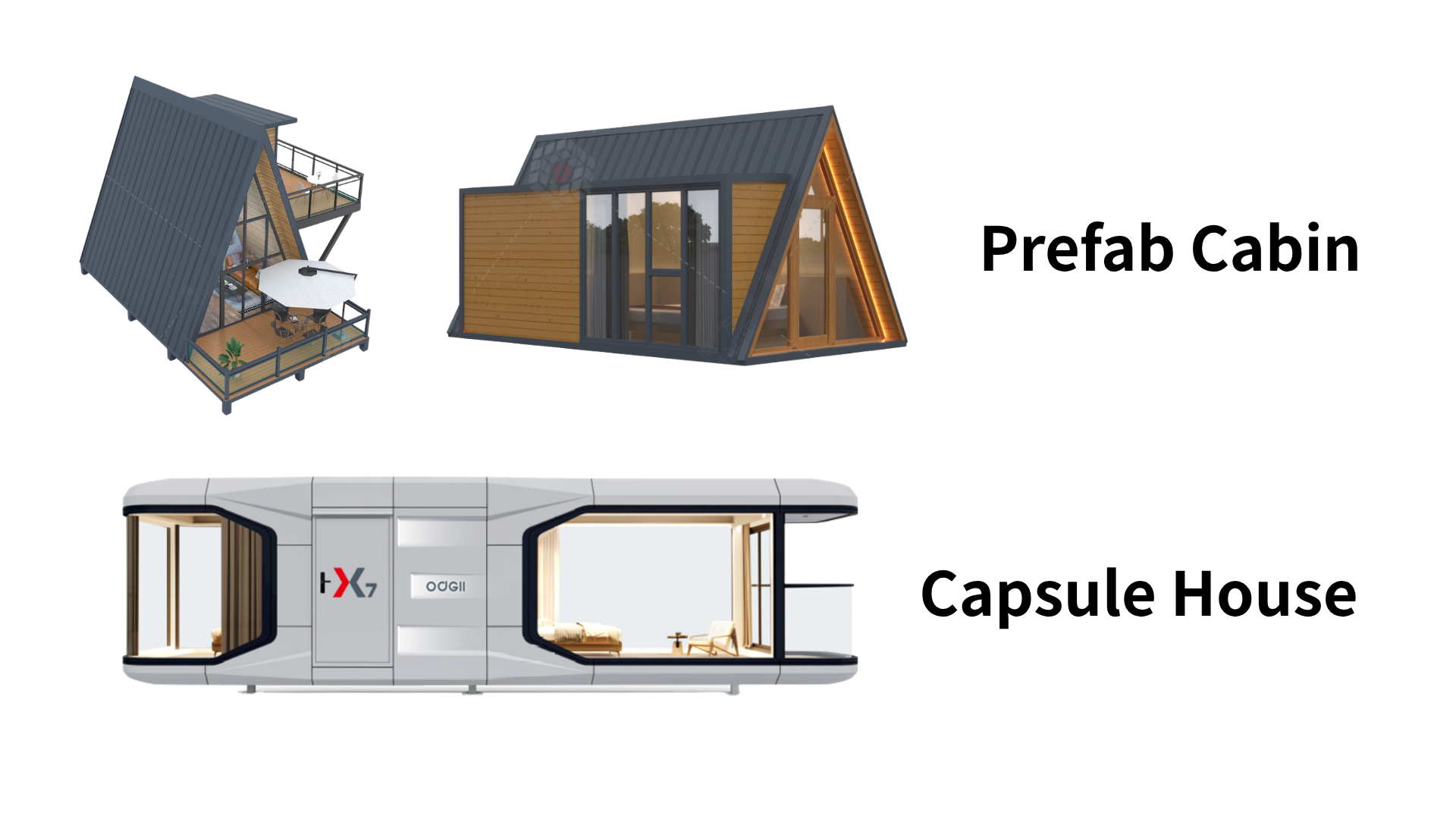
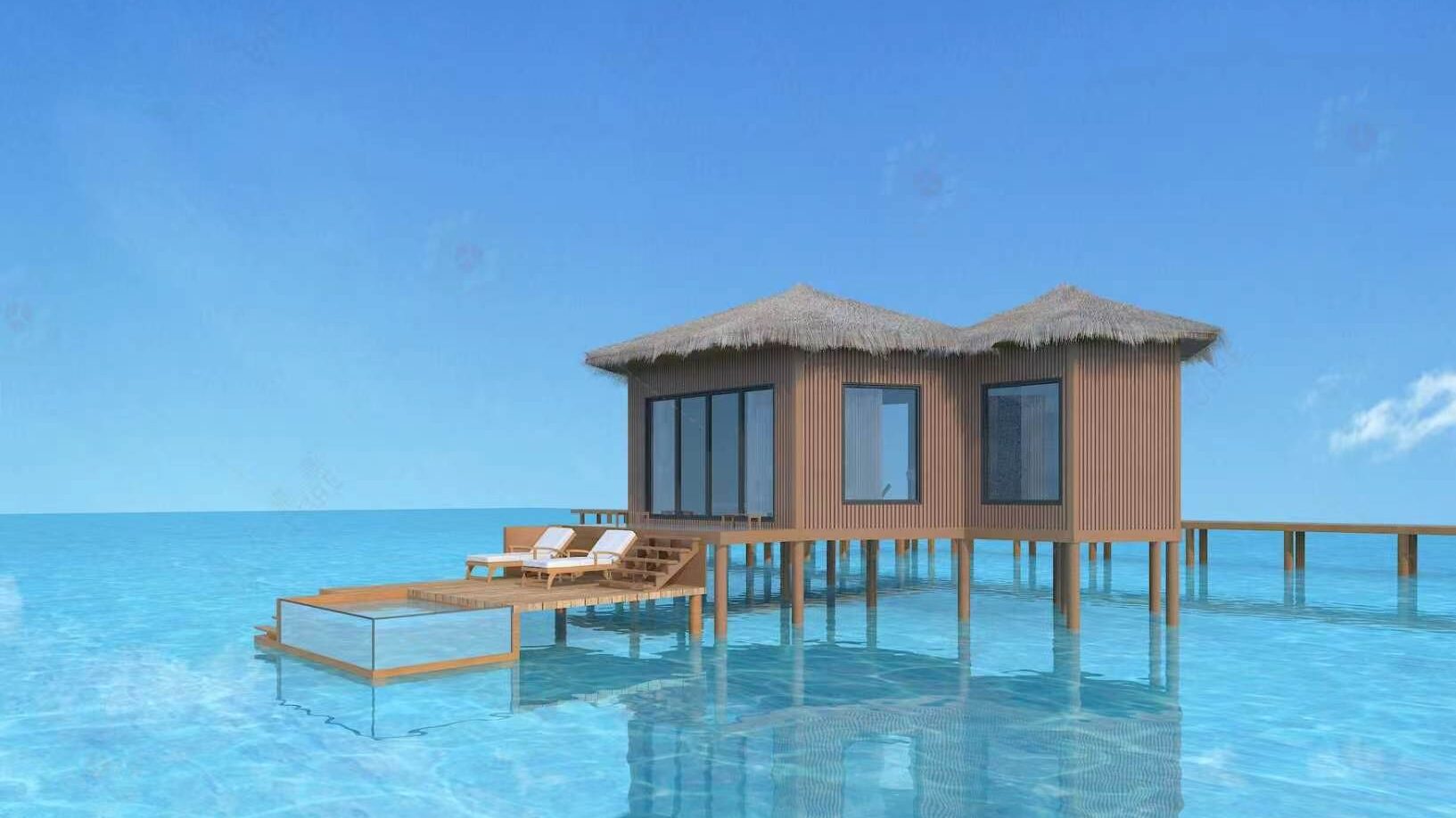
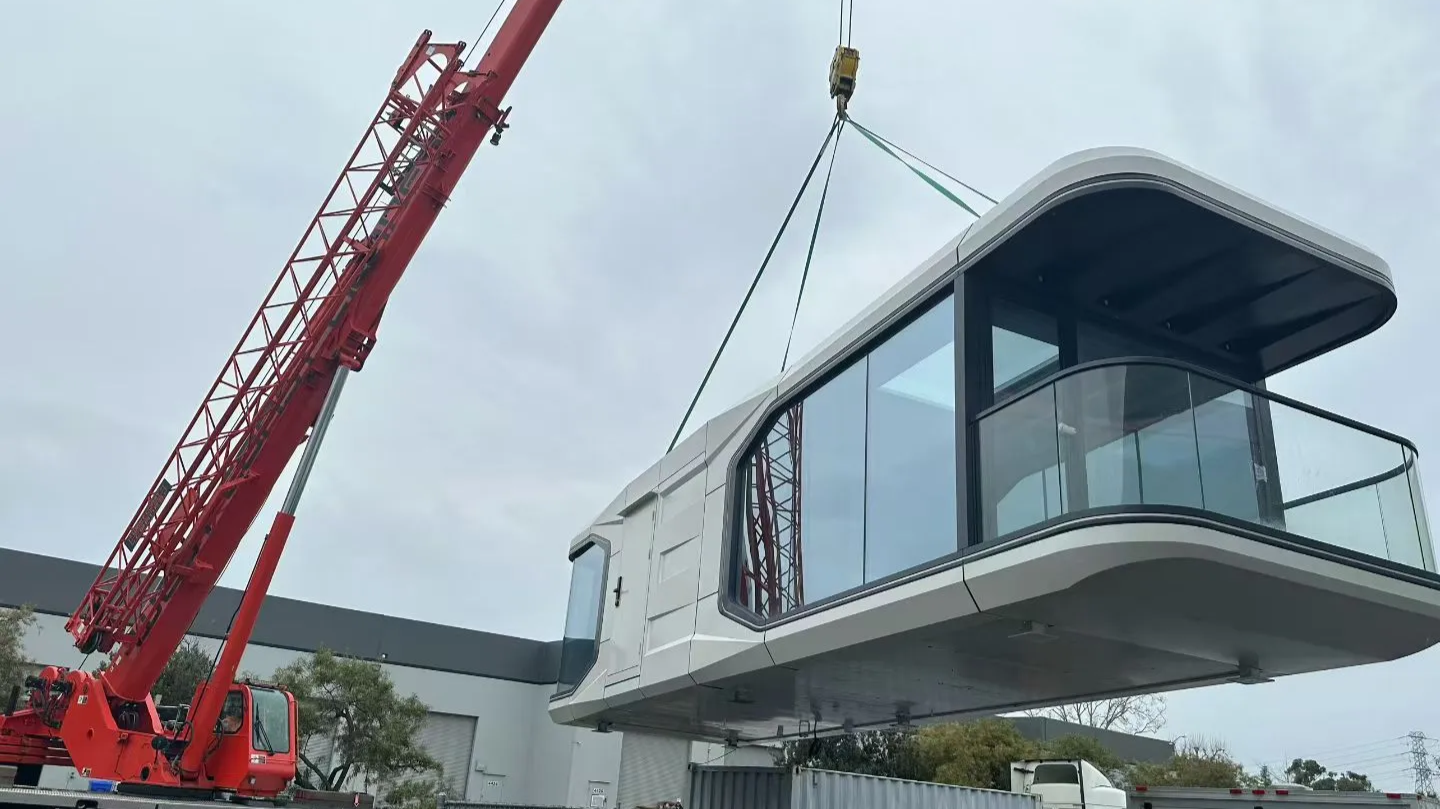
For glamping projects, two common examples are prefab cabins and capsule houses. A prefab cabin is usually closer to a nature-style accommodation product. It can be used for campsites, resorts, holiday parks, forest stays, lakeside stays, or family-oriented glamping projects. A capsule house is usually more compact and integrated. It often has a more modern appearance and can be used when a project needs a distinctive room type or a more visual accommodation concept.
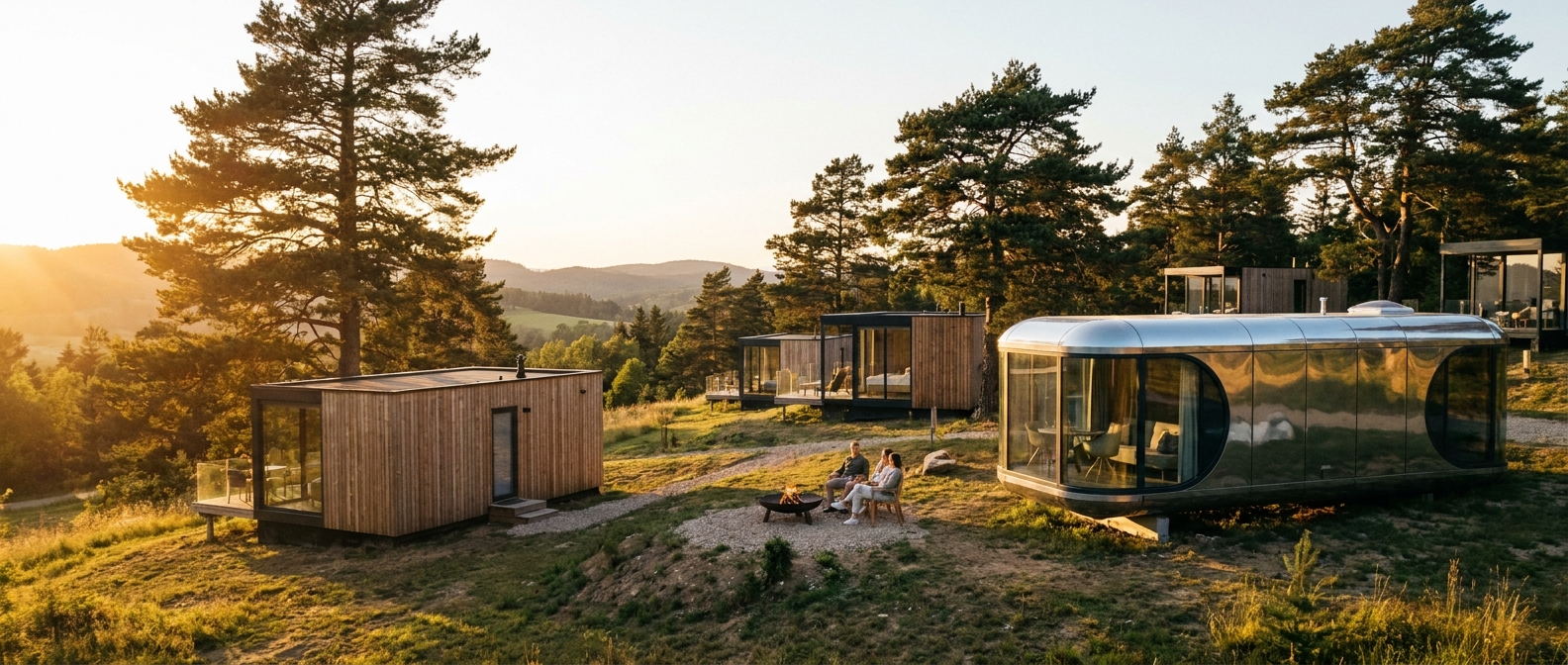
They are different products, and they should not be evaluated in exactly the same way. But they share one important idea: they allow buyers to move part of the building process away from the site and into the factory.
Depending on the product and specification, prefab accommodation may include bathroom systems, flooring and wall panels, insulation, glazing, air conditioning, ventilation, kitchen areas, furniture packages, or exterior and layout customization. This does not mean every prefab unit is “ready to operate” immediately. Buyers still need to confirm what is standard, what is optional, and what needs to be completed locally. But compared with an empty structure, many prefab options can offer a more complete starting point for hospitality use.
2. Why Are Glamping Buyers Paying Attention?
Glamping buyers are not only purchasing a structure. They are planning a guest experience and a business model. A good accommodation unit needs to be comfortable, visually attractive, suitable for the site, realistic to install, and practical to operate over time.
This is why prefab accommodation is becoming relevant. For some buyers, the goal is to add a few units to an existing campsite. For others, it may be to test a new room type before expanding. Some projects may need a natural cabin-style stay that blends into the environment, while others may need a more modern and eye-catching unit that creates a stronger visual identity.
In both cases, the decision is not only about construction. They are thinking about how quickly the unit can become bookable, how well it fits the landscape and guest expectations, how much on-site work is required, whether the concept can be repeated later, and whether the unit can support a clear positioning for the project.
This is also why cabins and pods have become important accommodation types in the glamping market. Buyers are looking for options that can combine comfort, experience, and operational practicality.
3. What Makes It Different from Traditional Construction?
Traditional construction is still the right choice for many projects. It is especially important for large permanent buildings, highly customized architecture, or projects with complex local requirements. Prefab accommodation is not a replacement for every traditional building method. Its value is different.
For glamping projects, prefab can be useful because it moves part of the work into the factory and reduces some of the uncertainty on site. In a traditional build, many steps happen at the project location. Weather, local labor, material availability, contractor coordination, and site conditions can all affect the timeline. With prefab accommodation, more of the product is prepared before delivery. On site, the work can focus more on foundation, positioning, installation, connection, and final checks.
This can make the project easier to plan in phases. A buyer may start with a small number of units, observe occupancy and guest feedback, and then decide whether to add more. For glamping projects, this flexibility can be important because it allows buyers to test demand before making a larger commitment and adjust the accommodation mix as the project develops.
Final Thought
Prefab cabins and capsule houses are not simply cheaper alternatives to traditional buildings. They are part of a broader shift in how glamping accommodation is planned and delivered.
Traditional construction still has its place. But as outdoor hospitality becomes more competitive, buyers need accommodation that is not only buildable, but also bookable, practical, and aligned with the guest experience. For projects that need more flexibility, prefab accommodation is becoming worth a closer look.